
E-information
E-information is a modern approach adopted by the government and official entities to share news, provide information, and raise public awareness.
Its key advantages include broad reach, cost efficiency, and around-the-clock availability to a wide audience, making it a more immediate and accessible channel than traditional media.
This page showcases key initiatives the Sultanate of Oman has launched to promote community engagement and keep citizens updated on the latest developments, government decisions, and services in a timely and reliable manner.

The Tax Authority in the Sultanate of Oman has launched an awareness campaign titled “Tax Clarity” in February 2024, aimed at promoting an understanding of tax procedures and encouraging voluntary compliance among taxpayers. This campaign is part of the Authority’s ongoing efforts to simplify tax concepts and present information in a clear and accessible manner, contributing to the development of a fair and sustainable economic environment.
The campaign aims to raise tax awareness across various segments of society by providing in-depth educational content on the fundamentals of the tax system. It includes a detailed guide explaining tax procedures and steps in a user-friendly manner, along with a range of valuable tips delivered through what it terms “tax spaces”, educational posts, and workshops.
As part of its efforts, the campaign also sought to measure public satisfaction with the content and assess its real-world impact by sharing a digital survey via the Tax Authority’s social media platforms. This reflects a strong commitment to the value of digital participation in improving the Authority’s operations and ensuring effective outreach to its target audience.
The campaign also affirmed its intention to develop future initiatives to be more effective and better tailored to target groups, based on feedback gathered through surveys and official communication channels. This approach aims to strengthen the relationship between the Tax Authority and the community, enhance the quality of future workshops and educational materials, and support the creation of a more aware and engaged tax environment founded on mutual trust and cooperation.
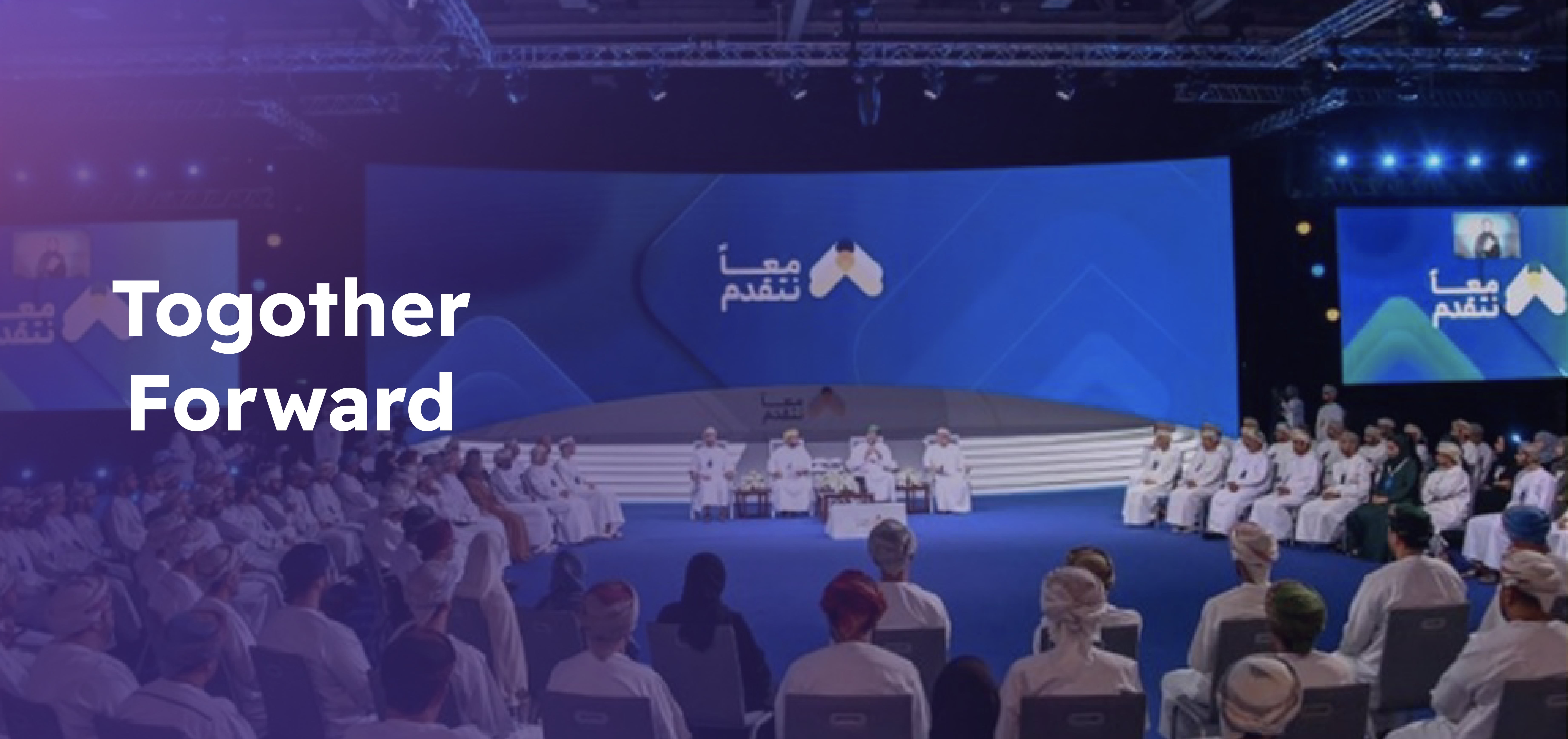
As part of the Sultanate of Oman’s efforts to promote the principles of transparency and community participation in decision-making, the General Secretariat of the Council of Ministers organises the annual “Together Forward” Forum as a national initiative that reflects the government’s commitment to opening direct channels of dialogue with citizens and empowering them to play an active role in discussing national priorities. It provides an open and constructive platform free of barriers, aiming to foster a culture of dialogue around developmental, economic, and social issues. The forum embodies the state’s vision for more open and interactive governance, helping to build a shared understanding of the challenges and aspirations within the framework of Oman Vision 2040.
The first edition of the forum was launched on 19 March 2023, with around 600 participants. Participation at the time was geographically limited, and the forum addressed key topics affecting the national development path, including Oman Vision 2040, fiscal sustainability, and employment and labour market issues. This edition marked a significant turning point in a broader national dialogue, enabling citizens to directly express their views and provide feedback to officials and decision-makers.
The second edition, held on 11 February 2024, marked a qualitative leap in terms of geographical representation, depth of engagement, and diversity of topics. Around 1,200 participants from across Oman’s governorates took part on the first day, representing various age groups, employment statuses, and educational backgrounds. The forum tackled key sectors, including education, health, society and citizenship, youth development, and media. Citizens were given the opportunity to select one of three proposed themes to discuss with decision-makers, alongside an overview of current efforts, adding a tangible participatory element to the forum’s structure.
The selection of themes for the second edition reflected the role of digital public participation in shaping the forum’s agenda. The public was given the opportunity to contribute via an online survey in which 7,500 people took part. The theme “Human and Society” received the highest number of votes (2,248), while “Labour Market and Employment” emerged as the most requested new theme, gathering 756 votes outside the original three options. As a result, the second edition of the forum was expanded to span two days, attracting a total of over 1,800 participants. Additionally, 5,314 citizens registered through the forum’s digital platform, reflecting the success of the initiative in strengthening digital engagement and facilitating transparent public involvement in shaping national priorities.
The forum also witnessed the launch of the “Idea Makers” initiative, designed to provide creative young individuals with a platform to present their innovative ideas in a competitive setting, based on the belief in the importance of social innovation. The initiative attracted approximately 1,300 participants, submitting a total of 461 ideas. Submissions undergo a rigorous evaluation process led by an independent judging panel composed of experts, who assess the proposals according to clear criteria. Selected ideas may be adopted and supported by the Oman Investment Authority, in alignment with the strategic objectives of Oman Vision 2040.
Interactive dialogue sessions were also held during the forum, where participants were encouraged to ask questions and discuss ideas transparently and objectively through various methods, including direct speaking, submitting questions via a dedicated online platform, or using the interactive hashtag #Together_Forward on social media. These tools allowed for broader participation and more dynamic engagement between attendees and speakers.
In addition to discussion panels, the forum included visual presentations, an interactive exhibition, and a youth ideas marathon, reflecting the event’s vibrant spirit of engagement and innovation.
The third edition of the forum took place on 26–27 February 2025, attracting over 4,000 attendees and more than 19,000 participants in selecting the themes for discussion. Key topics included economy and development, investment, governorate development, the future of professions, the pension system, and culture and sport. Several national digital platforms were also launched during the event, including the “Tajawob” platform for complaints and suggestions, the Unified Government Services Portal, and the National System for Planning, Evaluation, and Performance Monitoring. Notably, many of these platforms were originally inspired by proposals submitted by participants in the “Idea Makers” initiative during the second edition, highlighting the crucial role this initiative plays in fostering innovation and supporting digital transformation in Oman.
Comprehensive information about the forum across all its editions is available on the official “Together Forward” digital platform, which provides transparent access to all content related to the forum. The platform presents detailed information on each edition’s themes, outcomes, statistics, and key initiatives. It also offers videos of panel discussions and activities, ensuring continued engagement and accessibility.
Ultimately, the “Together Forward” Forum serves as a living example of Oman’s commitment to embedding a culture of digital civic engagement through open and transparent dialogue with its citizens. The forum continues to evolve as a national space for inclusive discussion and policy development that reflects the aspirations and needs of the community, paving the way towards a more sustainable and participatory future.

As part of the Sultanate of Oman’s commitment to advancing the digital economy and empowering society through technology, the Telecommunications Regulatory Authority (TRA) launched the national platform Nafath in 2024. The platform serves as an integrated digital gateway that supports institutions, SMEs, and entrepreneurs. It offers a competitive digital environment enabling beneficiaries to submit technical proposals for ICT tenders, while also creating training and employment opportunities within the telecommunications and postal services sectors. This initiative aligns with Oman Vision 2040 as a flagship project supporting an innovation- and knowledge-driven economy.
Nafath represents a progressive model of digital transformation across both the public and private sectors. It directly contributes to enhancing in-country value by engaging national talent and empowering them to implement high-quality technology projects. The platform focuses on developing local capabilities and linking them with labour market needs through specialised training programmes and a comprehensive database of Omani companies and professionals, facilitating better alignment between projects and required skillsets.
E-participation lies at the core of Nafath, offering users access to tenders and business opportunities through a flexible digital interface that enhances transparency and competitiveness. To simplify registration and platform access, the TRA published a QR code across its official social media channels, enabling users to engage with Nafath easily and efficiently.
As of June 2025, Nafath has witnessed notable user engagement, with 2,172 SMEs and 267 freelancers registered. Additionally, 5 project opportunities were awarded to 6 companies, and business opportunities worth OMR 60,000 were announced. In capacity-building efforts, 3 orientation workshops and 2 training sessions were held, involving approximately 78 individuals from 50 companies. On the governance front, 4 policies and regulatory documents were developed to provide a structured framework for the platform, ensuring transparency and sound oversight.
Nafath serves as a national incubator for innovation and public-private collaboration and marks a strategic step toward establishing a sustainable digital environment that supports both digital transformation and active e-participation—particularly in the areas of employment, economic growth, and social development. It also reflects the Sultanate of Oman’s commitment to the principles of transparency, equity, and equal opportunity, reinforcing its position in global digital development indices.

In 2022, the Ministry of Social Development in the Sultanate of Oman launched the national charitable platform "Jood", an integrated digital hub designed to organise and enhance the effectiveness of charitable work through digital transformation tools. Jood replaces the previous donations portal (donate.om), serving as a secure and reliable digital gateway that brings together charities and volunteer groups under one umbrella, connecting them with individual and institutional donors.
The platform leverages ICT to support Omani charities and volunteer teams by offering a unified, comprehensive interface that simplifies application processes, case reviews, and automated donation disbursement. It also provides precise statistics and data to service donors, beneficiaries, charitable organisations, and stakeholders, assisting decision‑makers in the sector. Donors can easily access a wide range of charities and volunteer teams, with donations transferred to the relevant organisations within seconds via secure payment channels, including Visa, Mastercard, and bank transfers. A centralised database further coordinates charity efforts across Oman.
Donors log in to the platform, create an account using electronic authentication or their ID, and receive a verification code via SMS to their mobile phone. They can then browse the platform with ease and select the cases they wish to support. The system safeguards donors’ personal data and does not store any credit card details.
The platform includes 30 charitable associations, 64 volunteer teams, and 5 endowment institutions. Statistics up to the end of June 2025 indicate tangible outcomes in terms of engagement and participation, with the platform receiving over 10 million visitors and around 264,550 donors. A total of 259 programmes and 1,106 initiatives have been implemented. Donations to initiatives exceeded OMR 3.4 billion, while donations to relief campaigns reached approximately OMR 307 million. The platform shares these figures accurately and updates them daily for its visitors, reinforcing the impact of digital participation and encouraging continued donor contributions.
Jood platform places great emphasis on enabling community participation and strengthening effective communication channels with its users. It offers a responsive support service through email, along with the option for direct phone contact. The quality of responses is considered high, with each enquiry addressed thoroughly based on its content, and followed up with phone clarification when needed. The platform also allows users to submit complaints, feedback, or general reports via the designated message section. Additionally, volunteer teams are exempted from transfer and deposit fees, supporting their efforts and easing financial burdens. The platform promotes transparency by providing open data accessible to everyone.
Jood exemplifies Oman's commitment to digital transformation in support of the sustainable development goals. It demonstrates the government's dedication to digital governance and empowering charitable work through modern tools that ensure transparency, security, and operational efficiency.
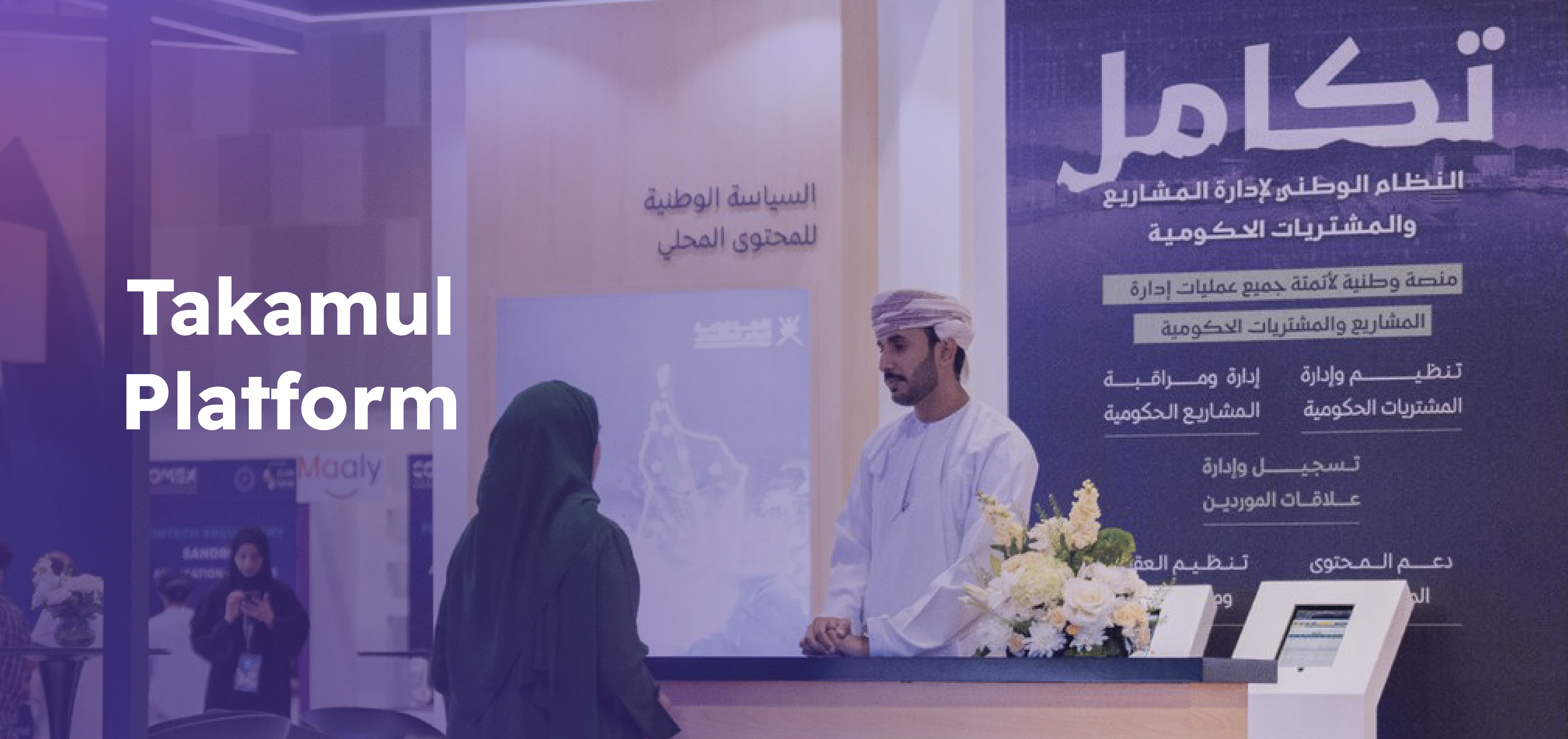
“Takamul” is a national digital system currently under development by the Projects, Tenders, and Local Content Authority, and is scheduled for launch on 31 December 2026. This system is a developed version of the former “Isnad” platform, designed to enhance the e-tendering experience, making it more seamless, efficient, and comprehensive. It aligns with the government's direction toward digital transformation, improved transparency, and more accurate strategic planning.
The system aims to establish a unified and effective framework for managing projects and public procurement by creating a comprehensive database that consolidates all government expenditures. This contributes to improved planning accuracy and enables informed, data-driven decision-making. It also seeks to enhance transparency in tendering processes, strengthen trust between government entities and beneficiaries, and foster healthy competition in the public sector.
Digital participation is a fundamental pillar in building the system’s identity; the public was allowed to vote electronically for the name of the system from among four proposals via the X platform. The voting received wide engagement, resulting in the selection of “Takamul” as the official name. In line with its commitment to transparency, the platform will also provide open data and accurate statistics to support knowledge-sharing and build public trust.
“Takamul” represents a transformative shift in the government’s operational framework, offering unified services for managing projects and procurement across all government entities. The system is distinguished by its interactive interfaces and real-time reporting features, which are expected to reduce reliance on multiple existing platforms, enhance institutional efficiency, and improve the overall quality of government services in a sustainable manner.

“Tax Compliance” is a national digital awareness campaign launched by the Tax Authority in June 2023 to encourage individuals and businesses to meet their tax obligations, such as Value Added Tax (VAT), Income Tax, and Excise Tax, within the designated deadlines. The campaign mobilised 16 field teams of tax inspectors to enable direct community engagement and promote the use of the Authority’s e-portal, making tax payment simpler, more accessible, and more user-friendly.
In a steadily evolving economic landscape, the campaign seeks to support both individuals and institutions in adopting smart and responsible tax behaviours. It aims to increase awareness about the importance of registration and timely submission of tax returns, while also encouraging regular payments to avoid penalties and financial accumulations. It plays a pivotal role in combating tax evasion and fostering a society that is more informed of its rights and duties, within a transparent and fair tax system.
The campaign showcases a proactive model of community-based e-participation in Oman. Individuals and businesses interacted with campaign content using the hashtag #التزم_ضريبيًا (Commit to tax), which served as an open digital platform for sharing tax-related knowledge in a simple and effective manner. Through the Tax Authority’s official digital and media channels, and with the support of social media influencers and digital advocates, the campaign’s visual and written content reached a wide segment of society, highlighting an advanced level of public engagement and reflecting mutual trust between the government and the community.
“Tax Compliance” reinforces the importance of integrating digital awareness with community participation to promote a stronger culture of tax compliance. By leveraging digital platforms and enabling direct interaction, Oman continues to move confidently toward a more transparent, inclusive, and sustainable tax system, built on partnership, trust, and shared responsibility.

In light of the rapid technological advancement and the growing use of the internet in daily transactions, the Royal Oman Police, in cooperation with Bank Muscat, launched an annual awareness campaign titled “Don’t Be Deceived”, which began in 2020 and continues to this day.
This campaign was launched in response to the continuous evolution of cyber fraud methods and techniques, with the aim of protecting individuals from falling victim to scams and digital blackmail through proactive awareness and the promotion of cybersecurity knowledge.
The campaign aims to raise awareness of the ever-evolving threats of online fraud, introduce the various tactics employed, and highlight ways to stay protected. It targets all segments of society, across all age groups and backgrounds, by presenting types of fraud in a simplified manner and through realistic scenarios.
To strengthen rapid response and protect potential victims, the Royal Oman Police has designated a direct helpline (80077444) for reporting and inquiring about incidents of cyber fraud and extortion.
The campaign exemplifies an effective model of digital participation. Its educational messages are delivered through digital visual content broadcast via official channels and social media platforms, making it more accessible and engaging for the public. It addresses three real-life examples of cyber fraud: fake cryptocurrency trading, emotional manipulation scams, and suspicious money transfers. This interactive approach helps deliver the campaign’s message to a broad audience, reinforces awareness, and encourages prompt reporting, thus supporting national efforts in digital protection.
Through this campaign, the Sultanate of Oman reaffirms its commitment to safeguarding society using innovative digital tools that contribute to building a more informed and secure community. The campaign emphasizes the conviction that prevention begins with knowledge and that digital security is a shared responsibility among authorities, institutions, and the general public.
With the global expansion of digital repositories and their increasing role in preserving and retrieving research and knowledge output, the Oman Research and Education Network (OMREN), in partnership with the Ministry of Higher Education, Research, and Innovation, and Sultan Qaboos University, launched the “Shuaa” repository on 7 April 2022. This national project aims to establish a unified digital platform that collects research papers, articles, scientific studies, innovations, and statistics produced in the Sultanate of Oman, and presents them in a structured and indexed database that is freely accessible to all segments of the academic community.
The importance of such platforms lies in their ability to support higher education, increase scientific output, and enhance collaboration between universities and research centres. International statistics indicate that there are more than 4,000 digital repositories across various disciplines, reflecting the growing need for open and free resources and their role in accelerating access to information and supporting research and educational decision-making.
The platform focuses on enabling e-participation, allowing researchers to upload their work, evaluate others’ research, interact with content, and provide feedback and suggestions that contribute to enhancing the research environment. Interested individuals can also communicate with the platform’s technical team via the designated support email for inquiries and assistance. The platform also welcomes collaboration with international institutions specialising in knowledge and open data management.
A total of 13 institutions have signed the cooperation programme with the Ministry of Higher Education, Research and Innovation. The platform has published around 5,260 master's and doctoral theses, along with 35 academic journals and periodicals. Researchers and academics will also find 111 books and 7,549 scientific articles available. The platform offers a rich and diverse collection of scientific and research content, including hundreds of conferences and academic workshops.
The Shuaa repository contributes to strengthening national knowledge accumulation and linking scientific research to societal needs, in alignment with Oman Vision 2040. It also enhances the Sultanate of Oman’s position in the regional and international scientific landscape.
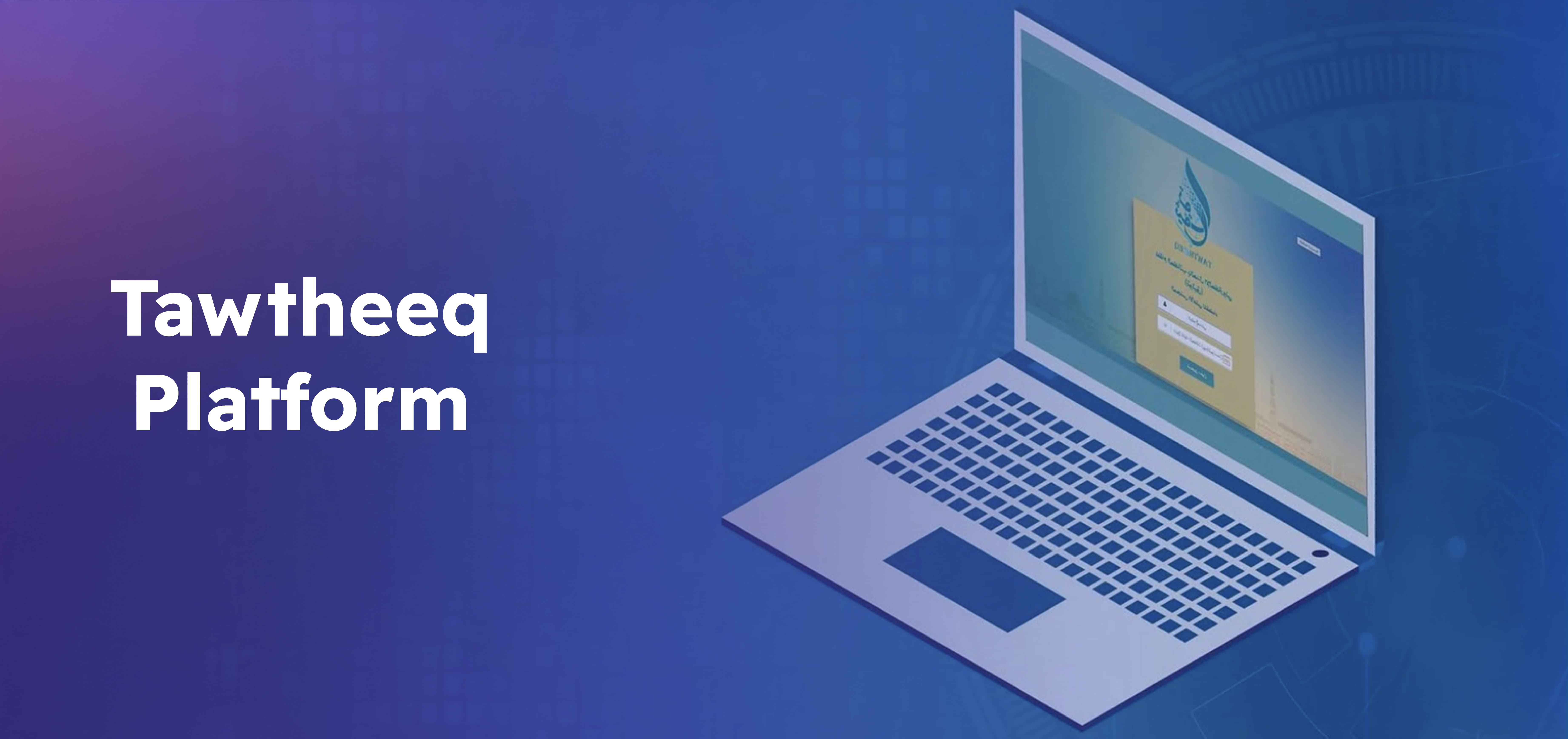
As part of the national drive to promote transparency and accelerate digital transformation in public services, the Ministry of Justice and Legal Affairs launched the “Tawtheeq” platform on 23 February 2025. This unified digital platform enables notarial, legal, and expert-related transactions to be processed electronically, in integration with over 18 government entities. The platform has facilitated a full transition from paper-based processes to digital workflows, allowing beneficiaries to track their transactions in real time, without the need for physical presence or paper documentation.
E-participation stands as a core pillar of the platform, offering an interactive interface that allows users to submit complaints, suggestions, and service quality feedback directly. This has contributed to institutional performance improvement and an enhanced beneficiary experience. The Ministry has also established official communication channels for public interaction, including the technical support email (cs@mjla.gov.om) to handle general inquiries and feedback related to justice services.
In line with its belief in the value of digital engagement and its impact on improving notarial services, the Tawtheeq platform launched a digital public poll to assess the demand for extended video-call service hours for issuing powers of attorney. An overwhelming 82% of participants voted in favour of extending the service from 8:00 a.m. to 8:00 p.m., and the change was promptly implemented based on this majority demand.
The platform’s services have expanded to include the issuance of powers of attorney for legal representation and real estate transactions, reflecting its versatility in addressing day-to-day legal needs in a fully digital manner.
Within the first two months of its launch, notarial offices recorded a 35% increase in transaction volume compared to the same period the previous year. The system has been rolled out across 62 offices in all governorates of the Sultanate, resulting in increased staff productivity and faster processing times. The total number of completed digital transactions has exceeded 50,000.
The Tawtheeq platform exemplifies a progressive model of fair digital governance and stands as a key enabler in achieving Oman Vision 2040, particularly the establishment of an intelligent, transparent, and participatory justice system that empowers individuals to play an active role in shaping and improving legal services.

As part of its ongoing efforts to empower entrepreneurs and promote a culture of self-employment, the Small and Medium Enterprises Development Authority has launched the “Riyada” e-platform, a fully integrated digital academy designed to enable individuals in the field of entrepreneurship and support them in developing their projects and enhancing their entrepreneurial skills in an innovative and effective manner. The platform targets a wide segment of society, including school and university students, public and private sector employees, entrepreneurs, craftsmen, job seekers, and retirees, through flexible training pathways. It offers diverse training programmes and online courses that form a practical roadmap for the success and growth of small and medium enterprises, aligning with the ambitions of entrepreneurs across the Sultanate of Oman.
The platform aims to empower entrepreneurs and develop their capabilities in various aspects of entrepreneurship, while refining their skills and enhancing their competence in managing and operating their enterprises in accordance with international best practices and modern digital technologies. This initiative aligns with the national direction towards digital transformation by providing a supportive electronic environment that contributes to the development and advancement of the entrepreneurial sector in Oman.
The platform enables individuals to register and engage with digital training content, developing their entrepreneurial skills and establishing their small and medium-sized enterprises on solid foundations. It also allows users to assess their knowledge levels before and after the courses, enhancing their awareness of economic development in line with the government’s digital transformation strategy.
The Riyada Academy has achieved remarkable digital engagement in supporting entrepreneurs through its online platforms, with more than 28,800 entrepreneurs benefiting from specialised and general training programmes by the fourth quarter of 2024. A total of 5,222 participants took part in the “Entrepreneur Readiness” programme, one of the intensive training programmes designed to prepare entrepreneurial talent. In addition, 3,203 entrepreneurs benefited from general consultation services, while 4,653 received feasibility study support. In facilitating services, the Authority issued more than 64,000 entrepreneurship cards, of which around 27,000 are currently active. Furthermore, 18 business incubators supported approximately 85 start-ups, generating revenues exceeding 800,000 Omani rials. The platform also features a rich digital library capable of serving up to 10,000 users, highlighting the impact of digital transformation in supporting entrepreneurship.
The “Riyada” platform stands as an effective model for empowering entrepreneurs through an innovative digital environment. With the training tools and advisory services it provides, the platform reinforces Oman’s path towards a knowledge-based economy founded on entrepreneurship and digital public participation.
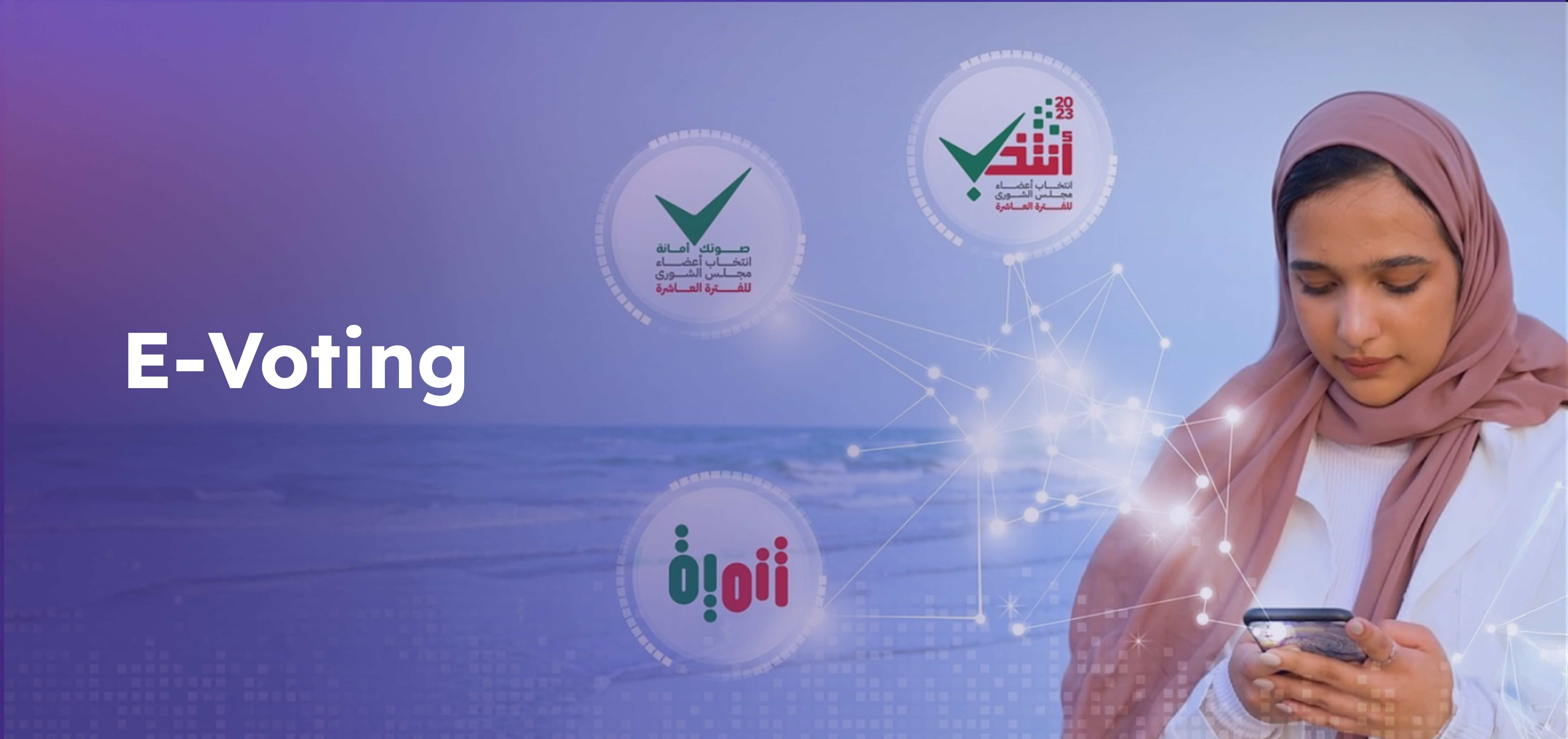
The Ministry of Interior launched the “Intakhib” application ahead of the third-term municipal council elections, establishing it as the unified and officially approved mechanism for voting in both municipal council and Shura Council elections. The application enables individuals, inside and outside the Sultanate of Oman, to cast their votes and select their representatives electronically, provided that the voter is registered in the electoral roll and holds a valid national ID card.
The app was first used during the elections of the Oman Labour Union as part of efforts to enhance the efficiency of the electoral process and assess its reliability before being officially adopted for the 2022 municipal council elections. Featuring some of the latest technologies that strengthen digital security and protection, the application includes facial recognition (photo matching) and Near Field Communication (NFC) capabilities. These efforts were crowned with the Ministry of Interior receiving the award for Best Digital Government Service Provided for Beneficiaries during the 2024 Government Digital Excellence Award ceremony.
In a later stage, the Ministry introduced the “Intikhab” application as a complementary platform to “Intakhib.” Designed as an interactive digital space, it reinforces community engagement in the electoral process. The app enables citizens to stay informed about the latest developments and statistics related to the elections. It also enables candidates to manage their electoral campaigns in accordance with approved regulations and to engage in direct dialogue with voters within their electoral districts through the “My Page” service, which is available on both the app and the official elections website.
The “Intikhab” app also allows users to follow initial and final vote-count indicators after the voting closes. It provides a channel for receiving suggestions and reports aimed at improving the electoral process, supports voter registration, enables users to submit candidacy applications, and offers the ability to transfer electoral registration from one wilaya to another based on national ID card data.
Electronic voting has created equal opportunities for all eligible members of society to choose their representatives and take part in shaping national decision-making. Its accessibility and user-friendly experience have encouraged wider participation across different segments of society.
To further promote digital civic engagement, the Ministry prepared an electronic survey that allowed the public to contribute their suggestions and development ideas for the “Intakhib” application. This survey was made available through tablets at the Ministry’s booth during COMEX 2024, the national technology exhibition, as well as through the Ministry’s social media platforms.
The Ministry also shared voter participation statistics, with 288,469 voters taking part in the third-term municipal council elections and 496,279 voters participating in the tenth-term Shura Council elections. These figures reflect the strong success of digital voting and the high level of public trust in its effectiveness.
The electronic voting experience in the Sultanate of Oman marks a significant step toward institutionalising digital participation. With ongoing advancements in electoral technologies, the nation reaffirms its commitment to providing a secure, transparent, and forward-looking digital model that earns citizens' trust and aligns with the aspirations of the future.
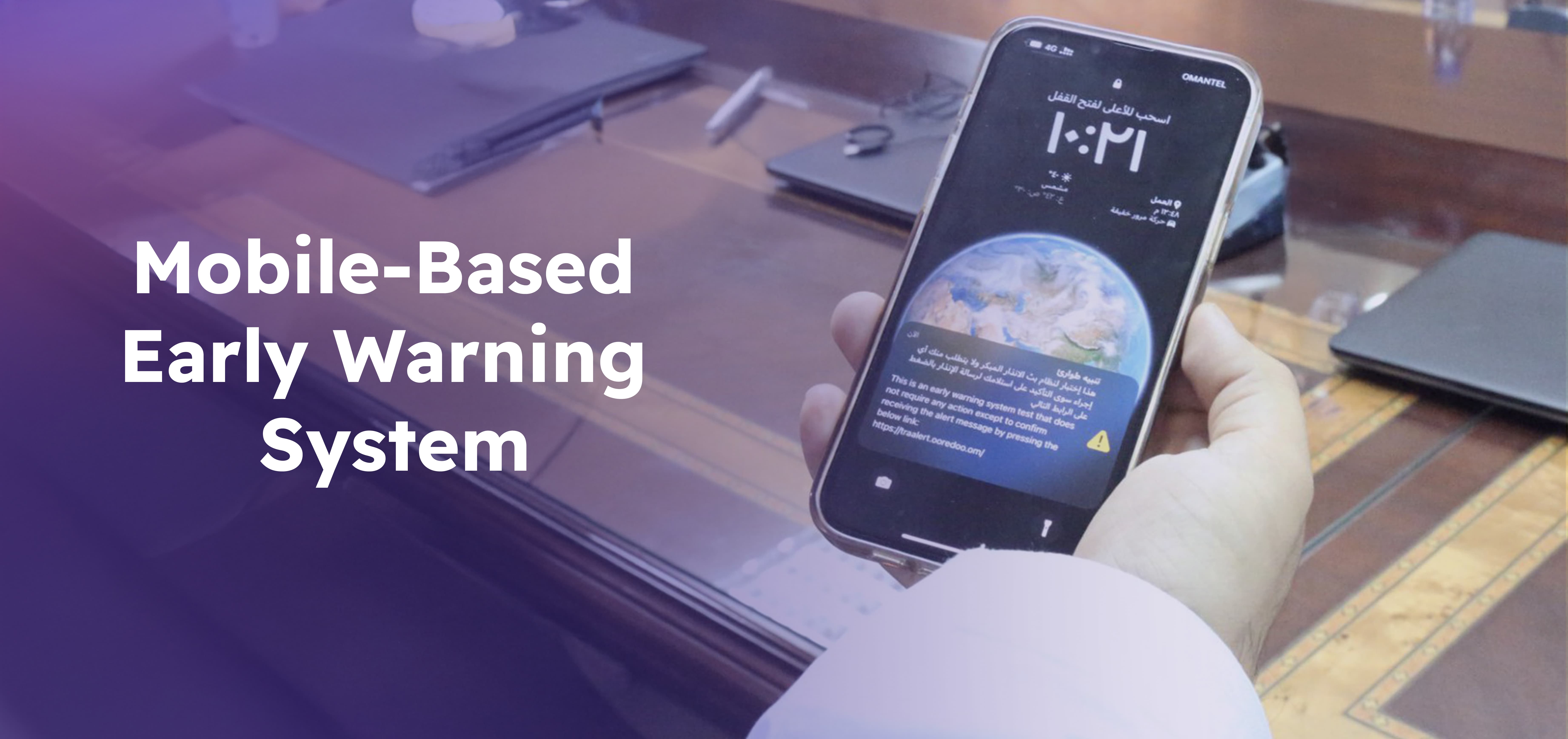
The Telecommunications Regulatory Authority (TRA), in cooperation with the Civil Aviation Authority and telecommunications service providers, has developed the “Early Warning Broadcast System”. This system aims to enhance the national framework for early warning and alerts in cases of emergencies and natural disasters.
The system broadcasts specific electronic warning notifications to all mobile phones located within the targeted area and connected to local telecom networks. It operates in accordance with the Common Alerting Protocol (CAP) issued by the International Telecommunication Union, which links the Cell Broadcast Center (CBC) of telecom operators with the alerting and publishing platform.
This initiative enhances the role of the telecommunications sector in ensuring public safety, facilitating effective outreach to citizens and residents, and enabling prompt response measures to mitigate the impact of environmental hazards.
To ensure optimal implementation, specific requirements have been established for enabling the early warning feature on mobile phones in the Sultanate of Oman, based on international standards. These specifications were published on the TRA’s website, along with a set date for halting the approval of mobile devices that do not support this feature. In support of digital engagement, the relevant authorities launched several awareness initiatives to educate the public on how to activate the early warning service on their mobile devices. These efforts included digital media campaigns, radio and TV interviews, press coverage, SMS messages, trial broadcasts in selected governorates, and the dissemination of informative visual content in multiple languages.
As a result of implementing the Early Warning Broadcast System, warning messages can now be delivered within a record time of under 10 seconds to all subscribers in the targeted area. The system also enables precise control over the geographic zones where messages are broadcast, ensuring the most effective use of technology to enhance safety and protect the public during adverse weather events.
The Early Warning Broadcast System reflects Oman’s commitment to protecting its people through advanced technological solutions and active digital participation. This integration boosts national preparedness and strengthens rapid response capabilities, supporting the country’s vision for a safer and more sustainable future.

In September 2022, the Ministry of Transport, Communications and Information Technology launched the “Makeen” initiative, aiming to equip Omani youth with the most in-demand modern digital skills in the labour market, such as artificial intelligence, big data, programming, and application development. The initiative is implemented in collaboration with leading local and international educational and training institutions in the ICT sector and forms part of the initiatives under the Executive Programme for Digital Industry within the National Programme for Digital Economy.
It aims to train 10,000 young Omanis and create income-generating opportunities through freelance work in the digital sector by 2025, in line with the Ministry’s targets outlined in the Tenth Five-Year Plan. The initiative contributes to strengthening the labour market by developing national competencies that can keep pace with rapid technological advancements, while promoting continued investment in national talent.
It also helps to mitigate challenges in the digital labour market and bridge the gap between educational outcomes and market demands, while fostering sustainable strategic partnerships with both local and international institutions, and enhancing the competitiveness of Omani youth in roles that require advanced technical skills.
The programme has introduced 5 pathways for job seekers and attracted more than 25,000 applicants, of whom over 8,000 have completed training. It has delivered more than 60 professional certificates and over 800 micro-certifications with participation from 11 countries in the delivery of training programmes and workshops, achieving an employment rate of over 60% among the programmes’ graduates.
MTCIT in collaboration with the Ministry of Labour has emphasised the key role of digital participation in supporting the programme’s objectives through open registration for all within the target group direct access to learning opportunities activation of digital education engagement with content shared on social media platforms and the involvement of influencers in encouraging young people to participate in the programme according to their interests.
In light of the rapid transformations shaping the digital world, the need for national initiatives that safeguard users against cyber threats and promote digital awareness across society has become increasingly urgent. In response, the National Cyber Extortion Awareness Campaign was launched in 2017 under the slogan “Report It — Your Secret Is Safe,” spearheaded by the Ministry of Transport, Communications and Information Technology, represented by the National Center for Information Safety, in collaboration with the Royal Oman Police.
This campaign stands out as one of the most prominent ongoing cybersecurity initiatives in Oman, aiming to confront the growing phenomenon of cyber extortion, which witnessed a notable rise in recent years. The campaign was launched following the registration of 324 cyber extortion cases at the beginning of 2017, prompting relevant authorities to take a unified approach to mitigate this digital threat and empower victims to report incidents without hesitation or fear.
The campaign adopts a comprehensive public awareness strategy through media and educational initiatives, including the production and dissemination of digital content via platforms such as Instagram and YouTube. It also organises in-person lectures and workshops in schools and universities to educate young people about the risks of cyber extortion and ways to protect themselves.
In a bid to enhance e-participation, the campaign activated multiple channels for public engagement, including hotlines, digital reporting portals, and official social media pages managed by trained teams capable of handling reports and inquiries with confidentiality and professionalism. These efforts significantly increased reporting rates and enabled faster and more effective responses from relevant authorities, thereby fostering a safer and more trustworthy digital environment.
As part of its ongoing development, the campaign has been regularly updated to keep pace with technological and societal changes. Its reach has expanded to include a wide range of audiences, including digital platform users and students across educational institutions. In 2024, several digital awareness campaigns were implemented in partnership with national stakeholders, reflecting Oman’s commitment to promoting cybersecurity awareness as a pillar of social development and digital justice.
The “Report It — Your Secret Is Safe” campaign exemplifies a successful model of governmental collaboration in addressing digital challenges and underscores the importance of involving the community in safeguarding cyberspace. It also reaffirms Oman’s dedication to achieving the Sustainable Development Goals, particularly in the areas of peace and justice, by protecting individuals in the digital realm and ensuring their rights to privacy and security are upheld.
The Smart Cities Platform is one of the flagship national initiatives launched by the Ministry of Transport, Communications and Information Technology in Oman since 2017. It aims to establish an integrated national model for transforming cities into smart and sustainable environments in line with Oman Vision 2040. The platform fosters coordination between government entities, the private sector, and society, with a focus on supporting research and innovation across key areas such as the environment, energy, transport, education, and the economy—based on the belief that technology is not an end in itself, but a tool to empower people and improve service efficiency and quality of life.
The platform centres on building a connected digital environment that enables real-time access to data and smart applications, supporting data-driven decision-making. It also promotes innovation and scientific research through funding tech-based projects in vital sectors, contributing to sustainability and digital transformation across the country.
It hosts a range of initiatives aligned with Oman’s strategic direction for sustainable digital transformation. These include the “Smart Oman” initiative, which unifies smart efforts and projects under a single national umbrella, facilitating collaboration among government entities, the private sector, and innovators. The platform also launched the “Smart City Ambassadors” programme to raise awareness of Fourth Industrial Revolution concepts among youth and equip them to play active roles in the digital society.
Hackathons and open forums—such as the “Smart Cities Hackathon” and the “Borderless Smart Cities” seminar—serve as vital platforms to engage citizens in developing smart urban solutions, fostering participatory decision-making. The platform also implements environmental tech projects, such as deploying air quality monitoring sensors in urban and economic zones, highlighting the practical use of technology to advance sustainability.
E-participation lies at the heart of the platform, offering effective channels for citizens to share their views and suggestions through both environmental and urban initiatives. This approach has successfully raised public awareness on the importance of digital transformation, encouraging citizens to contribute innovative ideas and help shape the cities of the future.
Currently, the platform is moving into its second phase through the “Smart Cities and Governorates Programme” under Vision 2040. This stage focuses on strengthening policies, infrastructure, and human capital, while drawing on success stories such as Sultan Haitham City—a model for future sustainable smart cities in Oman.

In September 2017, the Ministry of Transport, Communications and Information Technology launched the “Shurkum” initiative, an open dialogue platform that enables citizens and residents to express their views and suggestions through digital sessions, online surveys, and direct interaction on social media platforms such as X, Instagram, Facebook, and YouTube. The initiative is still ongoing today, reflecting the Ministry’s continued commitment to enhancing digital engagement with the community.
The initiative reflects the Sultanate of Oman’s commitment to engaging the community in the development of public services and legislation, particularly in areas related to technology and cyberspace. The sessions address key topics, including child online protection, open data, and the digital transformation of government entities. Statistics show that 93% of government institutions use e-participation tools, and 78% rely on social media platforms to engage with the public, demonstrating a strong commitment to transparency and digital community engagement.
Digital indicators so far reveal a notable level of public engagement, with more than 2,500 posts on X, over 4,600 likes, and 60 ideas submitted, reflecting significant interaction and a strong sense of community involvement. Specialised sessions on child protection in cyberspace have also been held, bringing together experts, parents, and specialists to discuss key challenges and potential solutions. The proceedings and summaries of these sessions have been published on official platforms, with video recordings made available via YouTube.
The Ministry aims to expand the initiative by aligning it with the recently issued implementation roadmap for the Government Digital Framework, including the Regulatory Framework for Government Digital Transformation released in April 2025. The initiative will also benefit from more advanced participation tools, such as smart surveys and AI-powered sentiment analysis.
Shurkum stands as an advanced model of digital governance, enhancing governmental accountability to the public and transforming digital engagement into actionable institutional recommendations. It serves as a key driver in Oman’s digital transformation journey and in strengthening public trust in government, in line with the objectives of Oman Vision 2040.