
E-Consultation
E-consultation is the process that enables government entities to engage with citizens and individuals through digital channels, aiming to gather their opinions or conduct votes on projects or decisions before they are officially launched.
This process directly contributes to building trust between the government and citizens, enhancing transparency, and keeping pace with the community’s interests and needs. This page highlights key initiatives the Sultanate of Oman has launched in this field to support community participation and leverage digital channels to facilitate, accelerate, and make the consultation process accessible to all members of society.
This process directly contributes to building trust between the government and citizens, enhancing transparency, and keeping pace with the community’s interests and needs. This page highlights key initiatives the Sultanate of Oman has launched in this field to support community participation and leverage digital channels to facilitate, accelerate, and make the consultation process accessible to all members of society.

In line with the Sultanate of Oman’s efforts to enhance the efficiency of government services and improve user experience, the “Mystery Shopper” initiative was launched as an innovative evaluation tool aimed at objectively and discreetly assessing the performance and quality of digital government services.
The initiative relies on assigning trained individuals to assume the role of service beneficiaries and interact with government platforms just as real users would, with the purpose of observing the actual user journey and measuring satisfaction levels. These findings are then compiled into periodic reports that support the development of institutional performance.
The initiative is designed to support the advancement of government services by promoting transparency through the provision of real-life data that reflects the actual user experience. It enables government entities to devise strategies and development plans based on accurate field-based results. Moreover, it helps improve workplace environments by measuring adherence to service quality standards, with the goal of enhancing the satisfaction of beneficiaries. The evaluation mechanism generates precise quantitative and qualitative data, used to identify challenges and highlight opportunities for improvement, ensuring continuous, user-centred service development.
The “Mystery Shopper” initiative is considered a leading model for implementing digital participation, as it focuses on engaging individuals in improving public services. By capturing and analysing the experiences of mystery shoppers, services are redesigned with the citizen placed at the heart of the development process.
The outcomes of the initiative also contribute to streamlining procedures, designing better digital services, and enabling data-driven decision-making. This fosters a more positive interaction between the government and the public, reflecting Oman’s commitment to building a comprehensive digital government system that ensures user satisfaction and aligns with the objectives of Oman Vision 2040.
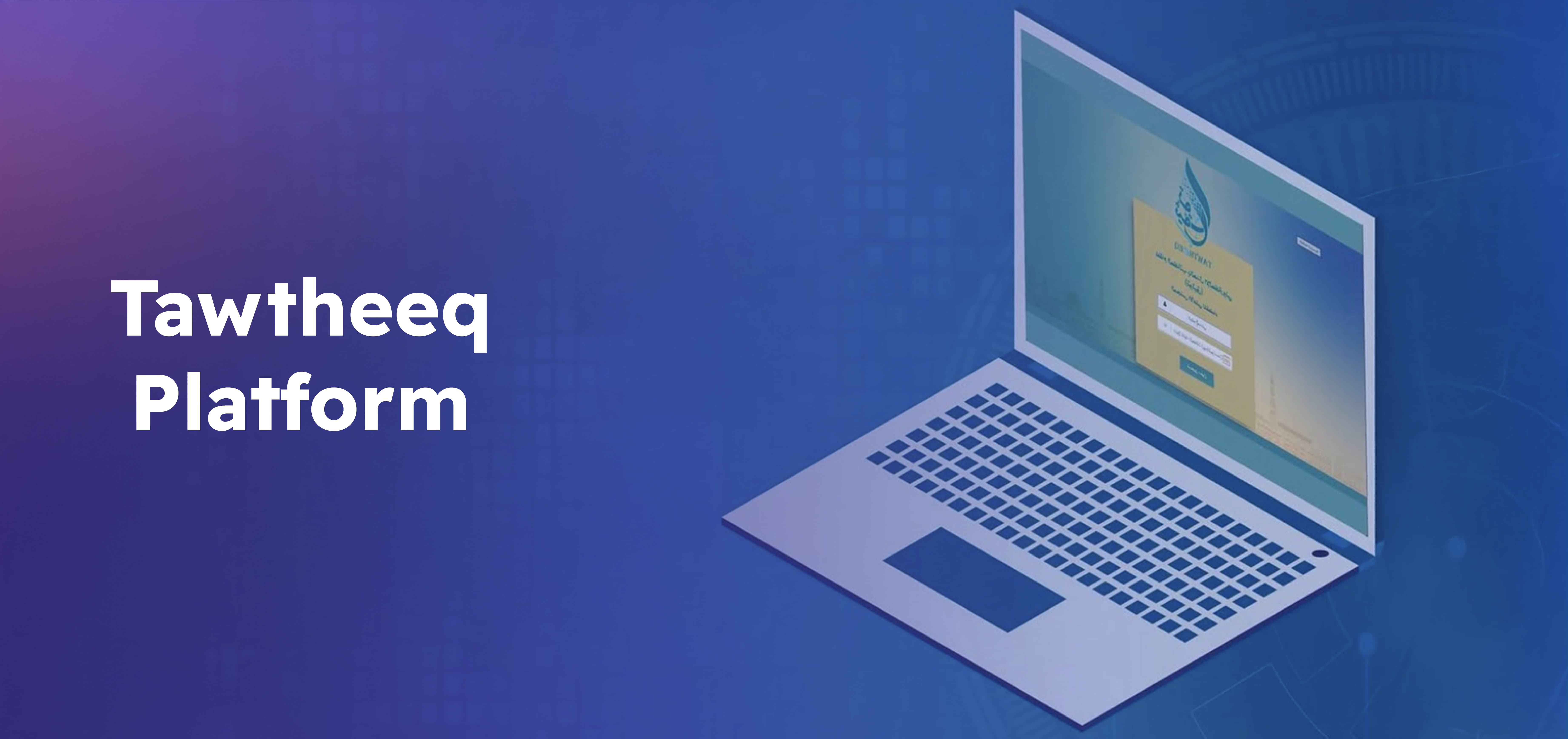
As part of the national drive to promote transparency and accelerate digital transformation in public services, the Ministry of Justice and Legal Affairs launched the “Tawtheeq” platform on 23 February 2025. This unified digital platform enables notarial, legal, and expert-related transactions to be processed electronically, in integration with over 18 government entities. The platform has facilitated a full transition from paper-based processes to digital workflows, allowing beneficiaries to track their transactions in real time, without the need for physical presence or paper documentation.
E-participation stands as a core pillar of the platform, offering an interactive interface that allows users to submit complaints, suggestions, and service quality feedback directly. This has contributed to institutional performance improvement and an enhanced beneficiary experience. The Ministry has also established official communication channels for public interaction, including the technical support email (cs@mjla.gov.om) to handle general inquiries and feedback related to justice services.
In line with its belief in the value of digital engagement and its impact on improving notarial services, the Tawtheeq platform launched a digital public poll to assess the demand for extended video-call service hours for issuing powers of attorney. An overwhelming 82% of participants voted in favour of extending the service from 8:00 a.m. to 8:00 p.m., and the change was promptly implemented based on this majority demand.
The platform’s services have expanded to include the issuance of powers of attorney for legal representation and real estate transactions, reflecting its versatility in addressing day-to-day legal needs in a fully digital manner.
Within the first two months of its launch, notarial offices recorded a 35% increase in transaction volume compared to the same period the previous year. The system has been rolled out across 62 offices in all governorates of the Sultanate, resulting in increased staff productivity and faster processing times. The total number of completed digital transactions has exceeded 50,000.
The Tawtheeq platform exemplifies a progressive model of fair digital governance and stands as a key enabler in achieving Oman Vision 2040, particularly the establishment of an intelligent, transparent, and participatory justice system that empowers individuals to play an active role in shaping and improving legal services.
In line with the Royal Directives to accelerate the implementation of the Government Digital Transformation Program 2021–2025, and in recognition of the importance of providing simple, efficient public services, the Ministry of Transport, Communications and Information Technology, in cooperation with the Oman Vision 2040 Implementation Follow-up Unit, is organizing the “Manjam” Labs to simplify government procedures. These labs are managed in collaboration with the concerned government entities and all stakeholders involved in the service delivery journey.
Believing in the vital role of individuals in the continuous improvement process and in the importance of community participation in enhancing service quality and aligning services with the needs of beneficiaries, the Ministry welcomes the participation of community members who benefit from government services. Individuals are invited to attend in person to highlight key challenges and offer improvement suggestions that reflect the realities of service users.
The initiative targets 1,731 government services, which will undergo service re-engineering across four phases. Each phase spans three months and focuses on a specific group of service sectors, where intensive labs are held for each sector individually.
Manjam Labs has announced a four-step work track. The first step involves convening representatives from relevant institutions and community members to map the current service journey. The second step includes identifying challenges and weaknesses, presenting proposed digital improvements, and redesigning the future service journey. The third step involves submitting a comprehensive document of the lab’s outcomes for review by stakeholders and the quality assurance team. The final step is to revise the document and validate its final version, which is approved by the Directors General of the respective institutions.
The efforts of Manjam Labs aim to align government services with the needs and expectations of beneficiaries, considering the usage context and addressing barriers that hinder service accessibility. The labs also support government entities in accelerating the production of streamlined, high-efficiency procedures, resolving complexities in current service workflows, and promoting knowledge-sharing and skill-building to ensure the adoption of best practices in service quality enhancement.
These labs activate the role of the community in co-developing government services. Beneficiaries have been able to register electronically to participate in each phase—either through in-person attendance in lab sessions and direct decision-making participation or through digital channels such as completing online surveys. This approach reinforces a culture of partnership between the government and society and embodies a practical model for citizen engagement in policymaking and service design.
Manjam Labs has delivered tangible results in simplifying government services and improving the user experience through three key phases of collaborative work and digital participation. During the first phase (January–March 2023), 145 services were streamlined with the involvement of over 300 institutional representatives and 50 community participants, covering nine key government entities. The second phase (May–July 2023) targeted 120 services, with contributions from more than 100 government entities and 100 individuals from the public—demonstrating a comprehensive development approach. In the third phase, outputs from eight life journeys were adopted, covering 45 essential services, including birth registration, issuance of official documents, marriage services, and social care. This phase placed emphasis on proactive service delivery and the provision of bundled service packages for greater ease of access.
On a broader scale, the initiative succeeded in streamlining 2,199 out of 2,869 targeted government services between 2021 and 2023, achieving a 41% completion rate. This outcome reflects Oman’s commitment to a “user journey” methodology and to delivering more integrated and efficient digital public services, in line with a forward-looking vision rooted in transparency and meaningful community engagement.
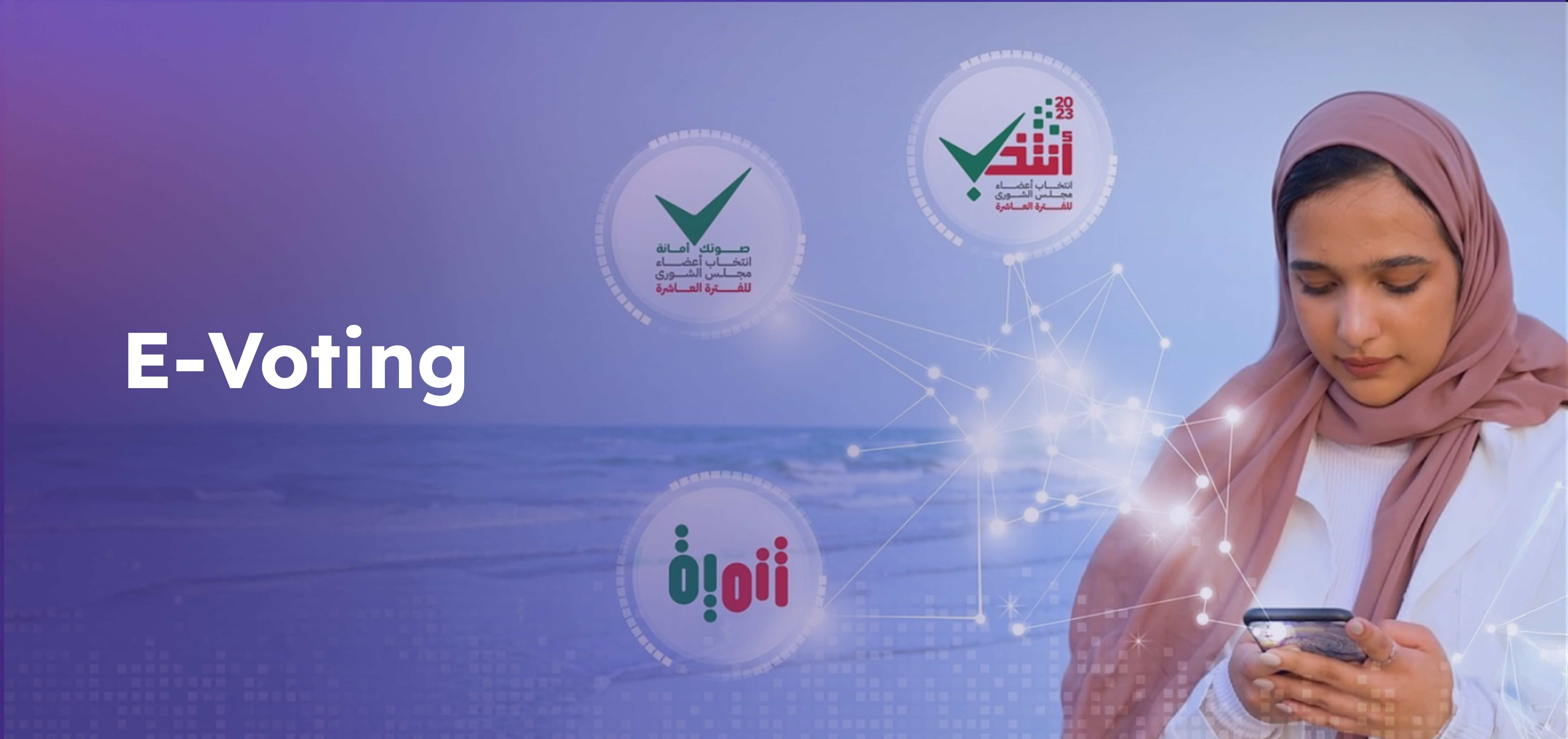
The Ministry of Interior launched the “Intakhib” application ahead of the third-term municipal council elections, establishing it as the unified and officially approved mechanism for voting in both municipal council and Shura Council elections. The application enables individuals, inside and outside the Sultanate of Oman, to cast their votes and select their representatives electronically, provided that the voter is registered in the electoral roll and holds a valid national ID card.
The app was first used during the elections of the Oman Labour Union as part of efforts to enhance the efficiency of the electoral process and assess its reliability before being officially adopted for the 2022 municipal council elections. Featuring some of the latest technologies that strengthen digital security and protection, the application includes facial recognition (photo matching) and Near Field Communication (NFC) capabilities. These efforts were crowned with the Ministry of Interior receiving the award for Best Digital Government Service Provided for Beneficiaries during the 2024 Government Digital Excellence Award ceremony.
In a later stage, the Ministry introduced the “Intikhab” application as a complementary platform to “Intakhib.” Designed as an interactive digital space, it reinforces community engagement in the electoral process. The app enables citizens to stay informed about the latest developments and statistics related to the elections. It also enables candidates to manage their electoral campaigns in accordance with approved regulations and to engage in direct dialogue with voters within their electoral districts through the “My Page” service, which is available on both the app and the official elections website.
The “Intikhab” app also allows users to follow initial and final vote-count indicators after the voting closes. It provides a channel for receiving suggestions and reports aimed at improving the electoral process, supports voter registration, enables users to submit candidacy applications, and offers the ability to transfer electoral registration from one wilaya to another based on national ID card data.
Electronic voting has created equal opportunities for all eligible members of society to choose their representatives and take part in shaping national decision-making. Its accessibility and user-friendly experience have encouraged wider participation across different segments of society.
To further promote digital civic engagement, the Ministry prepared an electronic survey that allowed the public to contribute their suggestions and development ideas for the “Intakhib” application. This survey was made available through tablets at the Ministry’s booth during COMEX 2024, the national technology exhibition, as well as through the Ministry’s social media platforms.
The Ministry also shared voter participation statistics, with 288,469 voters taking part in the third-term municipal council elections and 496,279 voters participating in the tenth-term Shura Council elections. These figures reflect the strong success of digital voting and the high level of public trust in its effectiveness.
The electronic voting experience in the Sultanate of Oman marks a significant step toward institutionalising digital participation. With ongoing advancements in electoral technologies, the nation reaffirms its commitment to providing a secure, transparent, and forward-looking digital model that earns citizens' trust and aligns with the aspirations of the future.
In light of the rapid transformations shaping the digital world, the need for national initiatives that safeguard users against cyber threats and promote digital awareness across society has become increasingly urgent. In response, the National Cyber Extortion Awareness Campaign was launched in 2017 under the slogan “Report It — Your Secret Is Safe,” spearheaded by the Ministry of Transport, Communications and Information Technology, represented by the National Center for Information Safety, in collaboration with the Royal Oman Police.
This campaign stands out as one of the most prominent ongoing cybersecurity initiatives in Oman, aiming to confront the growing phenomenon of cyber extortion, which witnessed a notable rise in recent years. The campaign was launched following the registration of 324 cyber extortion cases at the beginning of 2017, prompting relevant authorities to take a unified approach to mitigate this digital threat and empower victims to report incidents without hesitation or fear.
The campaign adopts a comprehensive public awareness strategy through media and educational initiatives, including the production and dissemination of digital content via platforms such as Instagram and YouTube. It also organises in-person lectures and workshops in schools and universities to educate young people about the risks of cyber extortion and ways to protect themselves.
In a bid to enhance e-participation, the campaign activated multiple channels for public engagement, including hotlines, digital reporting portals, and official social media pages managed by trained teams capable of handling reports and inquiries with confidentiality and professionalism. These efforts significantly increased reporting rates and enabled faster and more effective responses from relevant authorities, thereby fostering a safer and more trustworthy digital environment.
As part of its ongoing development, the campaign has been regularly updated to keep pace with technological and societal changes. Its reach has expanded to include a wide range of audiences, including digital platform users and students across educational institutions. In 2024, several digital awareness campaigns were implemented in partnership with national stakeholders, reflecting Oman’s commitment to promoting cybersecurity awareness as a pillar of social development and digital justice.
The “Report It — Your Secret Is Safe” campaign exemplifies a successful model of governmental collaboration in addressing digital challenges and underscores the importance of involving the community in safeguarding cyberspace. It also reaffirms Oman’s dedication to achieving the Sustainable Development Goals, particularly in the areas of peace and justice, by protecting individuals in the digital realm and ensuring their rights to privacy and security are upheld.
The Smart Cities Platform is one of the flagship national initiatives launched by the Ministry of Transport, Communications and Information Technology in Oman since 2017. It aims to establish an integrated national model for transforming cities into smart and sustainable environments in line with Oman Vision 2040. The platform fosters coordination between government entities, the private sector, and society, with a focus on supporting research and innovation across key areas such as the environment, energy, transport, education, and the economy—based on the belief that technology is not an end in itself, but a tool to empower people and improve service efficiency and quality of life.
The platform centres on building a connected digital environment that enables real-time access to data and smart applications, supporting data-driven decision-making. It also promotes innovation and scientific research through funding tech-based projects in vital sectors, contributing to sustainability and digital transformation across the country.
It hosts a range of initiatives aligned with Oman’s strategic direction for sustainable digital transformation. These include the “Smart Oman” initiative, which unifies smart efforts and projects under a single national umbrella, facilitating collaboration among government entities, the private sector, and innovators. The platform also launched the “Smart City Ambassadors” programme to raise awareness of Fourth Industrial Revolution concepts among youth and equip them to play active roles in the digital society.
Hackathons and open forums—such as the “Smart Cities Hackathon” and the “Borderless Smart Cities” seminar—serve as vital platforms to engage citizens in developing smart urban solutions, fostering participatory decision-making. The platform also implements environmental tech projects, such as deploying air quality monitoring sensors in urban and economic zones, highlighting the practical use of technology to advance sustainability.
E-participation lies at the heart of the platform, offering effective channels for citizens to share their views and suggestions through both environmental and urban initiatives. This approach has successfully raised public awareness on the importance of digital transformation, encouraging citizens to contribute innovative ideas and help shape the cities of the future.
Currently, the platform is moving into its second phase through the “Smart Cities and Governorates Programme” under Vision 2040. This stage focuses on strengthening policies, infrastructure, and human capital, while drawing on success stories such as Sultan Haitham City—a model for future sustainable smart cities in Oman.

In September 2017, the Ministry of Transport, Communications and Information Technology launched the “Shurkum” initiative, an open dialogue platform that enables citizens and residents to express their views and suggestions through digital sessions, online surveys, and direct interaction on social media platforms such as X, Instagram, Facebook, and YouTube. The initiative is still ongoing today, reflecting the Ministry’s continued commitment to enhancing digital engagement with the community.
The initiative reflects the Sultanate of Oman’s commitment to engaging the community in the development of public services and legislation, particularly in areas related to technology and cyberspace. The sessions address key topics, including child online protection, open data, and the digital transformation of government entities. Statistics show that 93% of government institutions use e-participation tools, and 78% rely on social media platforms to engage with the public, demonstrating a strong commitment to transparency and digital community engagement.
Digital indicators so far reveal a notable level of public engagement, with more than 2,500 posts on X, over 4,600 likes, and 60 ideas submitted, reflecting significant interaction and a strong sense of community involvement. Specialised sessions on child protection in cyberspace have also been held, bringing together experts, parents, and specialists to discuss key challenges and potential solutions. The proceedings and summaries of these sessions have been published on official platforms, with video recordings made available via YouTube.
The Ministry aims to expand the initiative by aligning it with the recently issued implementation roadmap for the Government Digital Framework, including the Regulatory Framework for Government Digital Transformation released in April 2025. The initiative will also benefit from more advanced participation tools, such as smart surveys and AI-powered sentiment analysis.
Shurkum stands as an advanced model of digital governance, enhancing governmental accountability to the public and transforming digital engagement into actionable institutional recommendations. It serves as a key driver in Oman’s digital transformation journey and in strengthening public trust in government, in line with the objectives of Oman Vision 2040.
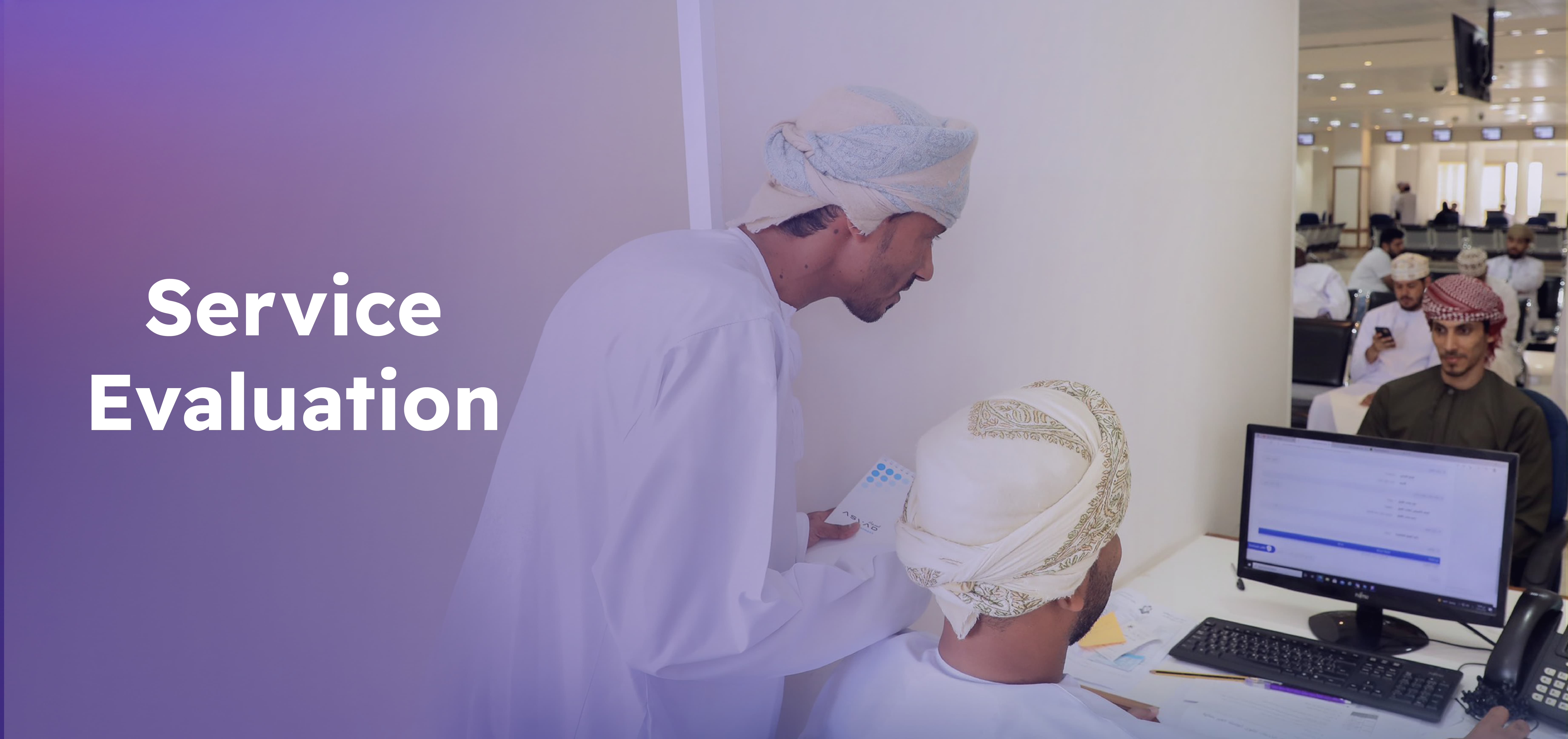
As part of ongoing efforts to enhance the quality of government services and promote digital community engagement, the government services evaluation initiative was launched as one of the digital interaction tools that enable the public to contribute to the improvement of the services provided to them. This initiative supports the principle of transparency and reinforces the values of modern governance, where beneficiary feedback and suggestions serve as a key reference in performance analysis and institutional decision-making.
The initiative aims to directly measure the satisfaction of service beneficiaries and identify the main challenges they face, therefore enhancing institutional efficiency and service quality. It also seeks to foster a participatory environment that allows individuals to express their views and provide feedback, encouraging institutions to adopt more responsive and flexible approaches to service delivery, in line with the objectives of Oman Vision 2040, which aims to build a dynamic digital government.
Several government entities have implemented this initiative using various digital assessment tools, most notably online surveys and official social media platforms, to ensure accessibility, inclusive participation, and diversity in data sources.
In this context, the Ministry of Labour conducted a service evaluation campaign from 9 to 13 April 2025, inviting citizens and residents to assess both its digital and non-digital services. The campaign aimed to measure user satisfaction, identify service-related challenges, and use the findings to develop a comprehensive improvement plan. The campaign achieved significant engagement across the Ministry’s social media channels, resulting in a detailed report submitted to the Ministry’s digital transformation team for review.
Similarly, the Public Establishment for Industrial Estates (Madayn) conducted a satisfaction survey in July 2023 to assess investors’ feedback on its general and e-services. The results revealed an overall satisfaction rate exceeding 78%. At the same time, investors raised several important points for improvement, including simplifying procedures, enhancing the platform interface, improving call centre responsiveness, and offering advisory services within industrial cities. In response, Madayn implemented several improvement measures, including the launch of an e-payment service, service re-designing, the introduction of the “Digital Transformation Clinic for Manufacturers” initiative, and enhancements to the complaints and escalation mechanisms.
In a further example of user engagement, the Tax Authority launched an e-survey to assess users’ satisfaction with the interface of its electronic portal. The aim was to evaluate usability and design effectiveness. The feedback focused on enhancing user experience and making it easier to access information and services. Based on the findings, the results were submitted to the technical team to develop a user-centred improvement plan.
This initiative reflects the government entities' commitment to promoting transparency and enabling digital interaction, in alignment with modern governance practices and institutional transformation goals. Through involving service users in the evaluation process, entities such as the Ministry of Labour, Madayn, and the Tax Authority have demonstrated real commitment to performance improvement, service excellence, and enhancing the overall user experience, which is a step towards building a more responsive and efficient digital government in line with Oman Vision 2040.